
SECTORS
Energy Generation
Power stations that are heavily reliant on fossil fuels, in particular, coal-fired plants, are a major source of industrial wastewater. Strict environmental regulations like restrictions on wastewater discharge make water management a priority in coal-fired power stations.
Wastewater discharged from these power plants contains significant amounts of metals such as mercury, cadmium and chromium, lead, selenium, arsenic, and nitrogen compounds (nitrates and nitrites). Moreover, some of these plants have air pollution controls such as wet scrubbers. These wet scrubbers tend to transfer some of the captured pollutants into the wastewater stream.
Areas of power generation, coal preparation, and coal-to-energy processing require the best technical solutions. These help to ensure proper maintenance of quality, along with a special focus on environmental protection, material recycling, and control of energy costs and overall process efficiencies.

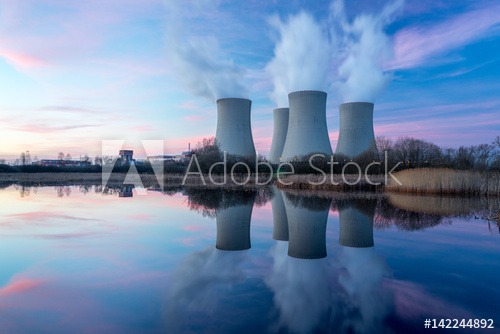
Our Approach to Energy Generation Wastewater Treatment
Implementing zero liquid discharge has proven effective against all the above-mentioned issues. The process eliminates discharge at the end of the wastewater treatment cycle, allowing for the processed water to be reclaimed and reused in a number of ways.
Coal preparation – also known as coal washing – is the process of removing
impurities in the raw coal. Coal-fired power plants utilise large volumes of water, creating major challenges with water discharge. High volumes of water are required for cooling towers, dousing bottom ash, and flue-gas scrubbing. This wastewater can be high in heavy metals due to the process of flue-gas desulfurisation (FGD).
INWASO GROUP can help you fulfill your wastewater treatment objectives through the application of various technological strategies. Our holistic wastewater treatment approach offers not only a solution to the environmental challenge of eliminating wastewater, but it also reduces the power plant’s reliance on other sources such as lakes, rivers, or aquifers for its operations. First, we start by assessing all sources of wastewater as a potential resource to the plant.
Then we do a pretreatment that includes clarification, softening, filtration, then
move on to reverse osmosis along with associated thickening and dewatering.
Reverse osmosis removes wastewater dissolved solids by concentrating the majority of the stream through a series of semi-permeable membranes, creating a waste stream that is high in TDS but reduces the amount of overall wastewater requiring treatment. The reverse osmosis helps reduce the size of the crystalliser. However, the RO concentrate normally requires pre-softening to avoid scaling in the membranes.
As a result, we follow a two-step pretreatment process first, involving cold lime softening, followed by filtration. Lime softening reduces the high pH that comes from having elements in the water, such as magnesium, calcium, and silica, that could result in the fouling or scaling of the reverse osmosis equipment. Reverse osmosis is then used to remove the bulk of dissolved solids from the wastewater stream in the primary phases of concentration if the initial salinity is not too high.
If you want to learn more about our innovative wastewater treatment solutions for your energy generation environment, get in touch with us for a free consultation.
Services
Solutions
Sectors
References for useful water insights.
